Glucose
Walking After Meals: How Much It Actually Lowers Blood Sugar
The cheapest metabolic intervention there is, and almost nobody does it. Two to five minutes of easy walking cut post-meal blood sugar by about 17%.
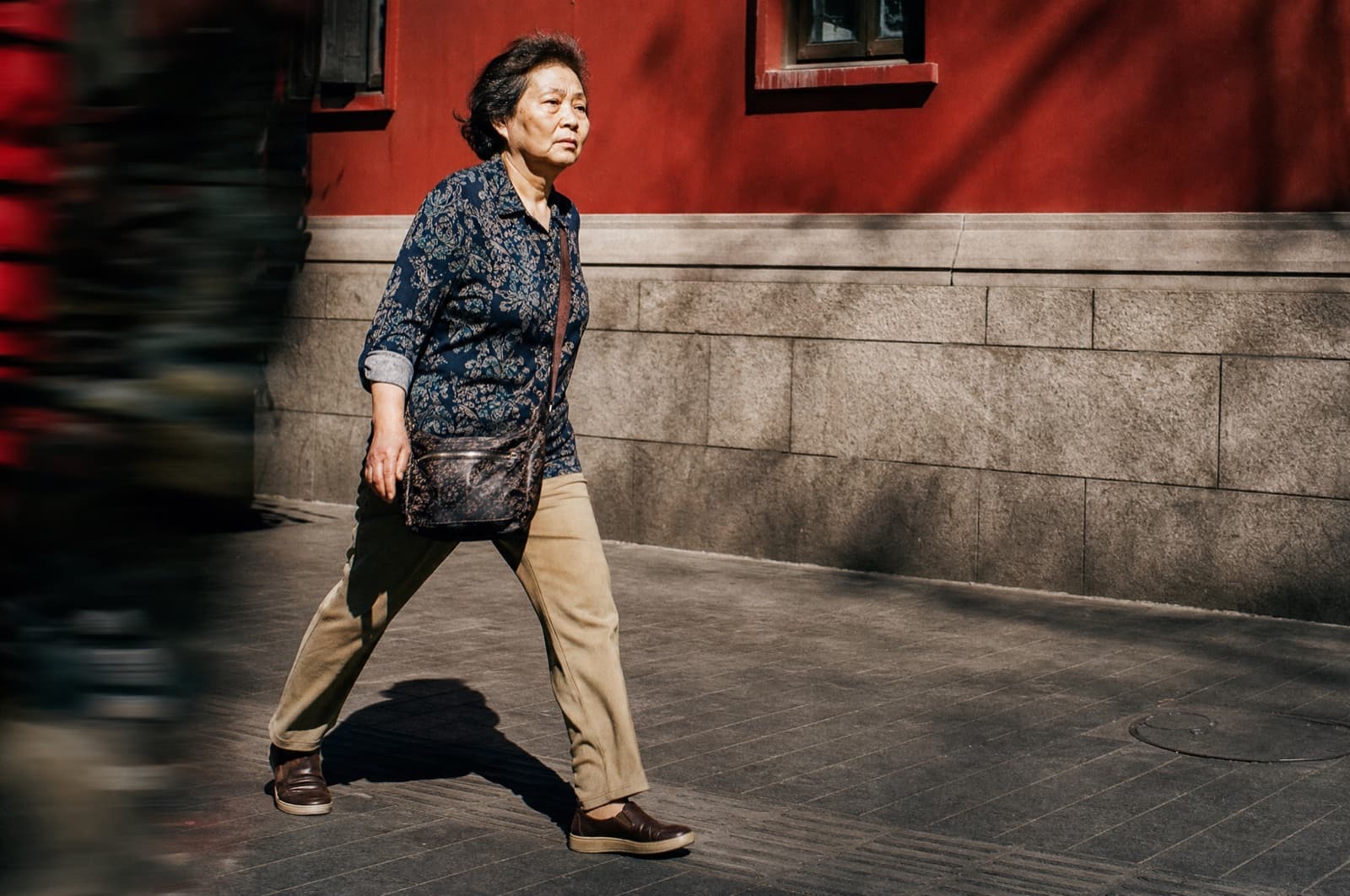
Two to five minutes. Pooling the trials, a short easy walk after eating cut post-meal blood sugar by roughly 17% compared with sitting. Standing managed 9.5% and did almost nothing for insulin. You do not need a workout — you need to not be sitting.
What the pooled trials found
Two to five minutes of easy walking after a meal cut blood sugar by about 17% compared with staying seated. Standing was tested too, and is not equivalent.
The striking part is the dose. Two minutes. To the corner and back. There is no version of a metabolic intervention that costs less.
17%
Pooled trials
Post-meal blood sugar, by what you do next
Reduction in post-meal glucose compared with staying seated.
Sitting
reference
The comparison condition.
Standing
9.5% lower
And almost nothing for insulin.
Walking 2–5 min
17% lower
Light, easy pace. To the corner and back.
Why it works
A meal that arrives fast spikes glucose and insulin, then drops them, often overshooting on the way down. That is the 3pm crash after a carb-heavy lunch.
Contracting muscle takes up glucose through a route that does not depend entirely on insulin, so the incoming glucose has somewhere to go immediately. The curve comes out wider and lower.
That is also why timing beats duration. The walk is most useful while glucose is actually rising.
Why two minutes of walking moves the curve
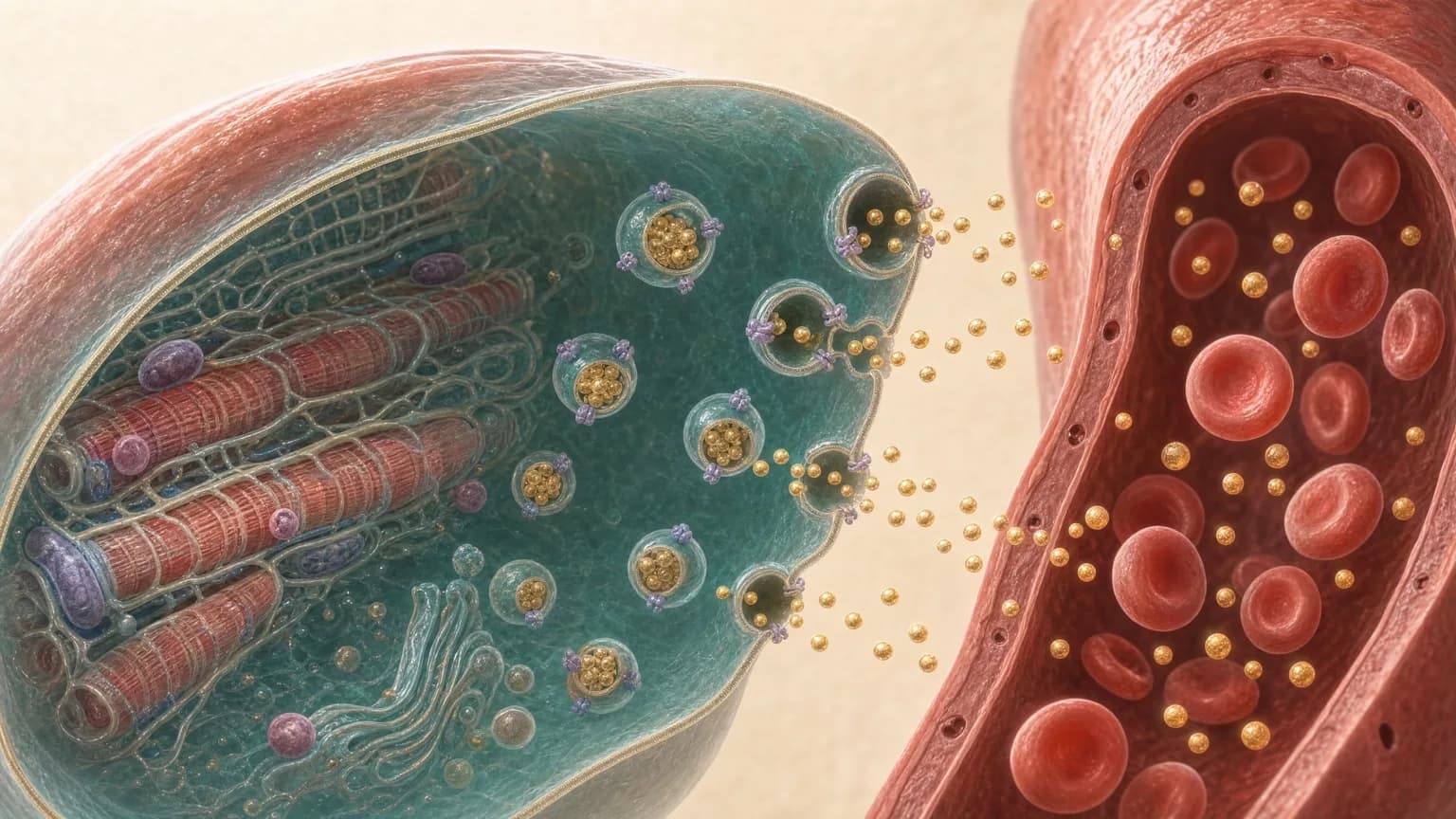
Simplified teaching model. Insulin-dependent and contraction-dependent uptake operate together, and the size of the effect varies with the meal and the person.
How to actually do it

Which meals to target first
Desk lunch
- Why it earns the walk
- You are about to sit for hours.
- What it takes
- Two to five minutes before you sit back down.
Dinner
- Why it earns the walk
- The couch is next.
- What it takes
- A loop around the block.
Your most starch-heavy meal
- Why it earns the walk
- The bigger the rise, the more to blunt.
- What it takes
- Walk while glucose is rising, not two hours later.
Any meal before activity you had planned
- Why it earns the walk
- Free. You are already moving.
- What it takes
- Nothing. Just do not sit down first.
| Meal | Why it earns the walk | What it takes |
|---|---|---|
| Desk lunch | You are about to sit for hours. | Two to five minutes before you sit back down. |
| Dinner | The couch is next. | A loop around the block. |
| Your most starch-heavy meal | The bigger the rise, the more to blunt. | Walk while glucose is rising, not two hours later. |
| Any meal before activity you had planned | Free. You are already moving. | Nothing. Just do not sit down first. |
Be honest about what it does not do
Post-meal walking reliably flattens glucose. It has not been shown to make anyone leaner, and it belongs with the levers that move a marker without a demonstrated effect on fat or muscle.
Not a reason to skip it. Steadier blood sugar is worth having, and it matters more the closer you are to prediabetes. It is a reason not to treat it as a substitute for protein, lifting, and fiber.
How I’d decide
- Who it's for
- Anyone with prediabetes, insulin resistance, an afternoon crash, or a desk job.
- Who should skip it
- Essentially nobody, but it is not a treatment. On insulin or a sulfonylurea, added activity can shift your glucose enough to matter — coordinate with your prescriber rather than treating a walk as a dose adjustment.
- What to measure
- With a CGM, this is one of the best paired experiments you can run: the same meal with and without a walk, repeated. Otherwise judge it on whether the 3pm crash softens.
- What I do
- I walk after lunch, after dinner, and as much as I can otherwise. I work at a desk, so a walking pad is a lifesaver.
- What would change my mind
- The glucose effect is well established. What is genuinely unproven is whether this changes body composition — no trial has shown that, and I would not claim it.
In short
Two to five minutes is enough. This is not a workout and does not need to be treated like one.
About 17% lower post-meal glucose. Compared with sitting, in pooled trials of light walking.
Standing is not the same thing. 9.5%, and almost nothing for insulin. Muscle contraction is the active ingredient.
Good for glucose, unproven for fat loss. No trial has shown it changes body composition.
Common questions
- How long should I walk after a meal to lower blood sugar?
- Two to five minutes gets most of the effect. In pooled trials, short bouts of light walking after eating cut post-meal blood sugar by about 17% compared with sitting. Ten to twenty minutes is fine and probably slightly better, but the point is how low the bar is.
- Does walking after eating actually lower blood sugar?
- Yes, and it is one of the better-established findings here. Pooling the trials, light walking after a meal reduced post-meal glucose by roughly 17% relative to sitting. Contracting muscle takes up glucose through a route that does not depend entirely on insulin, so it has somewhere to go right away.
- Is standing after a meal as good as walking?
- No. Standing produced about a 9.5% reduction — roughly half the benefit — and did almost nothing for insulin. Muscle contraction is the active ingredient. Standing beats sitting; it is not a substitute for two minutes of movement.
- When is the best time to walk after eating?
- Soon after the meal, while glucose is actually rising. A short walk right after lunch beats the same walk two hours later. The highest-value meals are the ones you eat before sitting back down.
- Will walking after meals help me lose weight?
- There is no evidence for that specifically, and I would not claim it. Post-meal walking has solid evidence for flattening blood sugar and no demonstrated effect on body composition. If fat loss is the goal, the levers with outcome evidence are total protein plus resistance training, and fiber toward 30 grams a day.
Keep reading
Sources
- 1Buffey et al. The acute effects of interrupting prolonged sitting with light-intensity walking on postprandial glycemia. Sports Med, 2022.
- 2Vujović et al. Late isocaloric eating increases hunger, decreases energy expenditure. Cell Metab, 2022.
- 3Ma et al. Single-component versus multicomponent dietary goals for the metabolic syndrome. Ann Intern Med, 2015.
No supplement store. No affiliate ranking. Nothing on this page is sold.