ABIM Board Certified
American Board of Internal Medicine
You can verify my board certification directly with ABIM.
Verify credential (opens in a new tab)I care for patients, host The Longevity Show, write The Longevity Letter and build Curator. I keep coming back to the same question: what could we do with more choices?
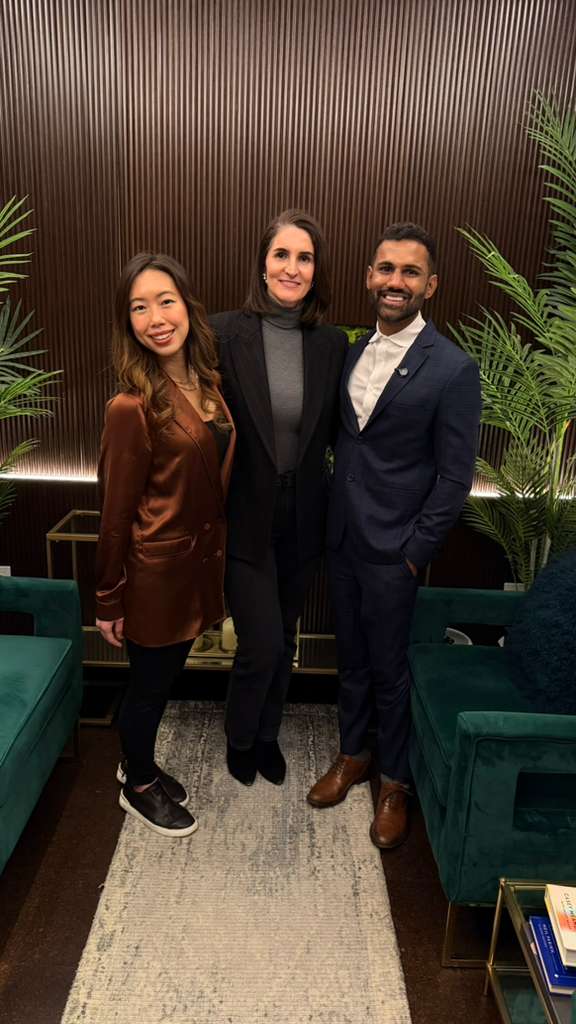

I was raised first by my grandparents in Taiwan, then in New York by a mother who made reinvention feel ordinary.
At Stanford, I studied biology and medicine. My work in oncology made me ask what care could offer people earlier, before their options narrowed. That question now guides my work as a physician and founder: helping people understand and use advances that could change their lives.
Today, I work on those questions with patients and at Curator. Medicine and AI are changing the choices available to us. I want to understand the possibilities well enough to make them useful.
Raised first by grandparents in Taiwan, then in New York by a mother who made reinvention look ordinary.
Undergraduate study, medical school and internal medicine residency at Stanford.
Helping people address health risks before they become harder to treat.
Caring for patients through Living Care and building a place for health experts to share their work and build a business around it.
People often come to me with lab results, supplements, and advice that point in different directions. They need help deciding what matters, what can wait, and what they can safely leave alone.
That is the work I enjoy: explaining the evidence, making a plan together, and checking whether it helps. My writing and my work at Curator grow out of those conversations.
American Board of Internal Medicine
You can verify my board certification directly with ABIM.
Verify credential (opens in a new tab)Biology and medicine at Stanford, followed by a career in clinical care and entrepreneurship.
Read the guidesBuilding a place for health experts to share their work and build a business around it.
See what we’re building