Nutrition
Does Fasted Cardio Burn More Fat?
Two things are true at once. Fasted training burns a higher proportion of fat during the session. It also does not make you lose more fat.

No. Fasted training genuinely shifts which fuel you burn, but randomized to fasted or fed cardio in a deficit, both groups lost the same fat. Your body settles the books over 24 hours, not 45 minutes. Train fasted if it suits your morning — for convenience, not because it unlocks something.
The fuel hierarchy, and why the theory is seductive
There is a real hierarchy in what your body burns, and it is why fasted training sounds convincing. Arrive with less carbohydrate on board and you will burn a higher proportion of fat. That part is true.
Your body burns fuels in a queue
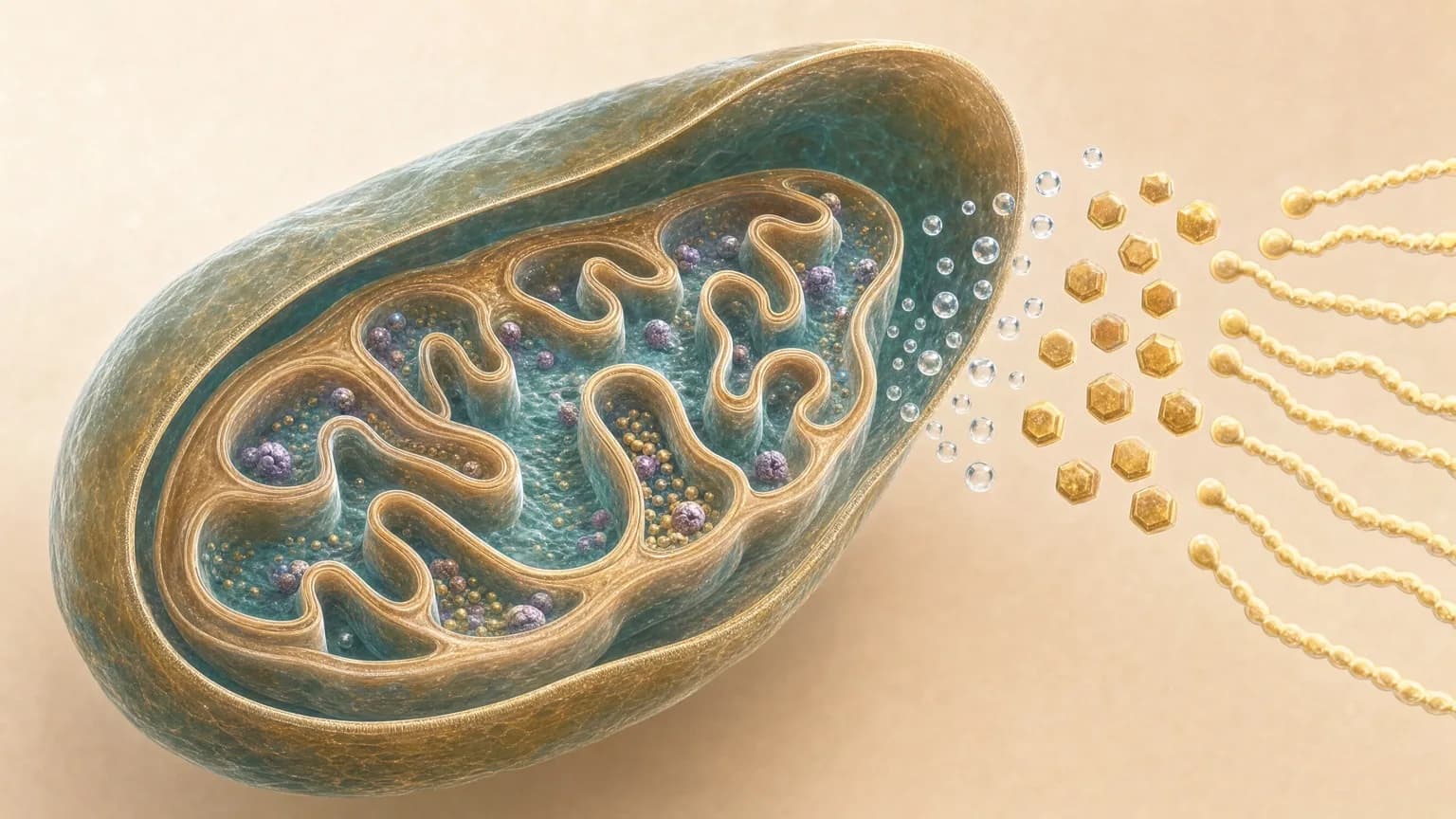
Simplified teaching model. Fuel use is continuous and overlapping rather than strictly sequential, and shifts with intensity, duration, and training status.
The lever hiding in the queue
If you want to lose fat, the most direct thing in this section is not your cardio timing. It is the drink.
Ethanol has been measured cutting 24-hour fat oxidation by roughly a third, because clearing it takes priority over everything else. A few drinks cost more than their calorie count suggests.
⅓
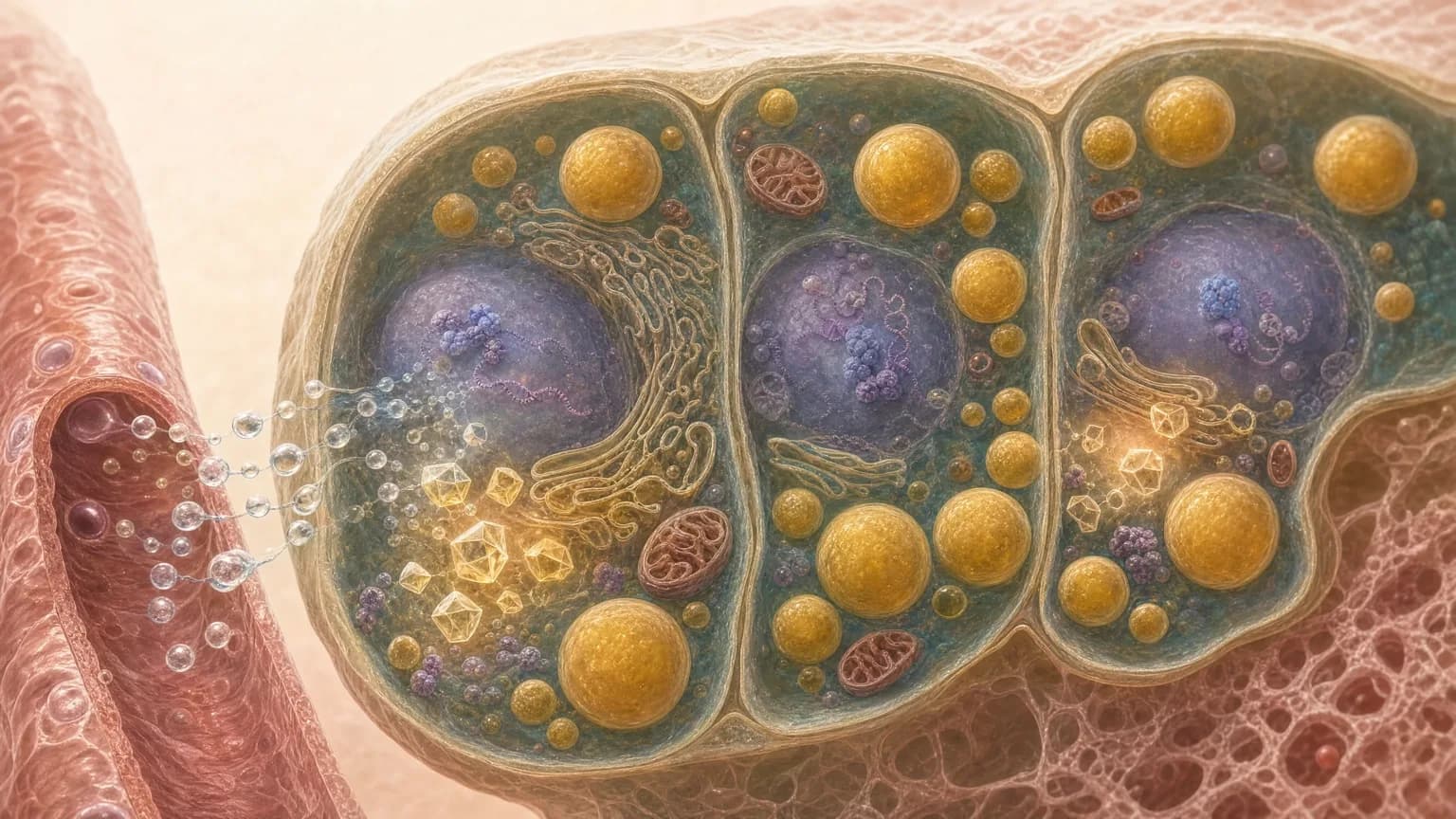
Where the argument breaks
Burning more fat during a workout does not make you lose more fat. Twenty women were randomized to fasted or fed cardio on a calorie-restricted diet for four weeks. Both lost fat, with no significant difference on any measure. A meta-analysis found the same nothing.
The reason is accounting. Burn more fat at 7am and you burn less later. What you lose comes down to how much you eat across days.
Same error as the fat-burning zone sticker on the treadmill. A slow walk burns a higher percentage of its calories from fat. The hard interval still burns more fat in absolute terms.
Two time windows
The session and the month disagree
Twenty women randomized to fasted or fed aerobic exercise on a calorie-restricted diet.
During the session
Fasted
Higher proportion of fat burned
Fed
Lower proportion of fat burned
Real, and measurable
After four weeks in a deficit
Fasted
Lost fat
Fed
Lost fat
No significant difference on any measure
The one argument against fasted training
If holding onto muscle is the point of the phase, there is a case against going hard fasted. You are asking your body to find amino acids somewhere, and in a deficit it is already shopping.
Not settled either. But it is a better reason to eat first than the fat-oxidation argument, which does not survive the outcome data.
What to do instead
Choose fasted or fed on convenience. Whichever gets you training consistently is the one that works.
Then spend the attention you just freed on the levers with outcome evidence: total protein plus lifting, and fiber toward 30 grams a day.

How I’d decide
- Who it's for
- Anyone setting up a fat-loss phase and deciding whether to move cardio before breakfast.
- Who should skip it
- Not a good default if you take insulin or a sulfonylurea, are pregnant, have a history of disordered eating, or get symptomatic lows. There is also a case against going hard fasted when holding muscle is the point.
- What to measure
- Weekly average weight, waist, strength, and how the rest of the day goes. The fuel mix during one session is not worth chasing.
- What I do
- I train fasted, but only because it gets me to the gym faster. If eating first made me more likely to train, I would eat first.
- What would change my mind
- These are small studies and I would like a large one. A properly powered trial finding a real difference would change this page, though the 24-hour physiology makes that unlikely.
In short
The mechanism is real; the outcome is not. Twenty women randomized to fasted or fed cardio lost the same fat.
Your body settles up over a day. Burn more fat at 7am and you burn less later.
Same error as the fat-burning zone. A hard interval burns more fat overall, because it burns more of everything.
Alcohol is the lever people miss. Ethanol jumps the queue and cuts 24-hour fat oxidation by roughly a third.
Common questions
- Does fasted cardio burn more fat?
- During the session, yes. Over time, no. Researchers randomized 20 women to fasted or fed aerobic exercise while eating in a deficit for four weeks, and both groups lost the same fat with no significant difference on any measure. A meta-analysis found the same. Your body balances fuel use over 24 hours, so burning more fat in the morning means burning less later.
- Is fasted cardio better for weight loss?
- Neither better nor worse, which makes it a scheduling decision rather than a strategy. What determines fat loss is energy balance across days, plus enough protein and resistance training to make sure what you lose is fat rather than muscle.
- What about the fat-burning zone on the treadmill?
- Same mistake, different display. Low-intensity work burns a higher percentage of its calories from fat, which is what the sticker reports. A hard interval burns more total calories and therefore more total fat. Percentage of fuel from fat is not the number that determines what you lose.
- Does alcohol stop fat burning?
- It genuinely interferes. You cannot store alcohol and its breakdown products are toxic, so clearing it jumps ahead of carbohydrate and fat. Ethanol has been measured cutting 24-hour fat oxidation by roughly a third. That is why a few drinks cost more than their calorie count suggests.
- Will training fasted make me lose muscle?
- A fair concern and not a settled one. In a deficit, training hard fasted means asking your body to find amino acids somewhere. That is a better argument for eating first than the fat-oxidation argument is. If muscle preservation is the point, hold a protein floor every day.
Keep reading
Sources
- 1Schoenfeld et al. Body composition changes associated with fasted versus non-fasted aerobic exercise. J Int Soc Sports Nutr, 2014.
- 2Hackett and Hagstrom. Effect of overnight fasted exercise on weight loss and body composition: a systematic review and meta-analysis. J Funct Morphol Kinesiol, 2017.
- 3Suter et al. The effect of ethanol on fat storage in healthy subjects. N Engl J Med, 1992.
- 4Longland et al. Higher compared with lower dietary protein during an energy deficit combined with intense exercise. Am J Clin Nutr, 2016.
No supplement store. No affiliate ranking. Nothing on this page is sold.