New evidence on adult brain cells and how I approach brain health
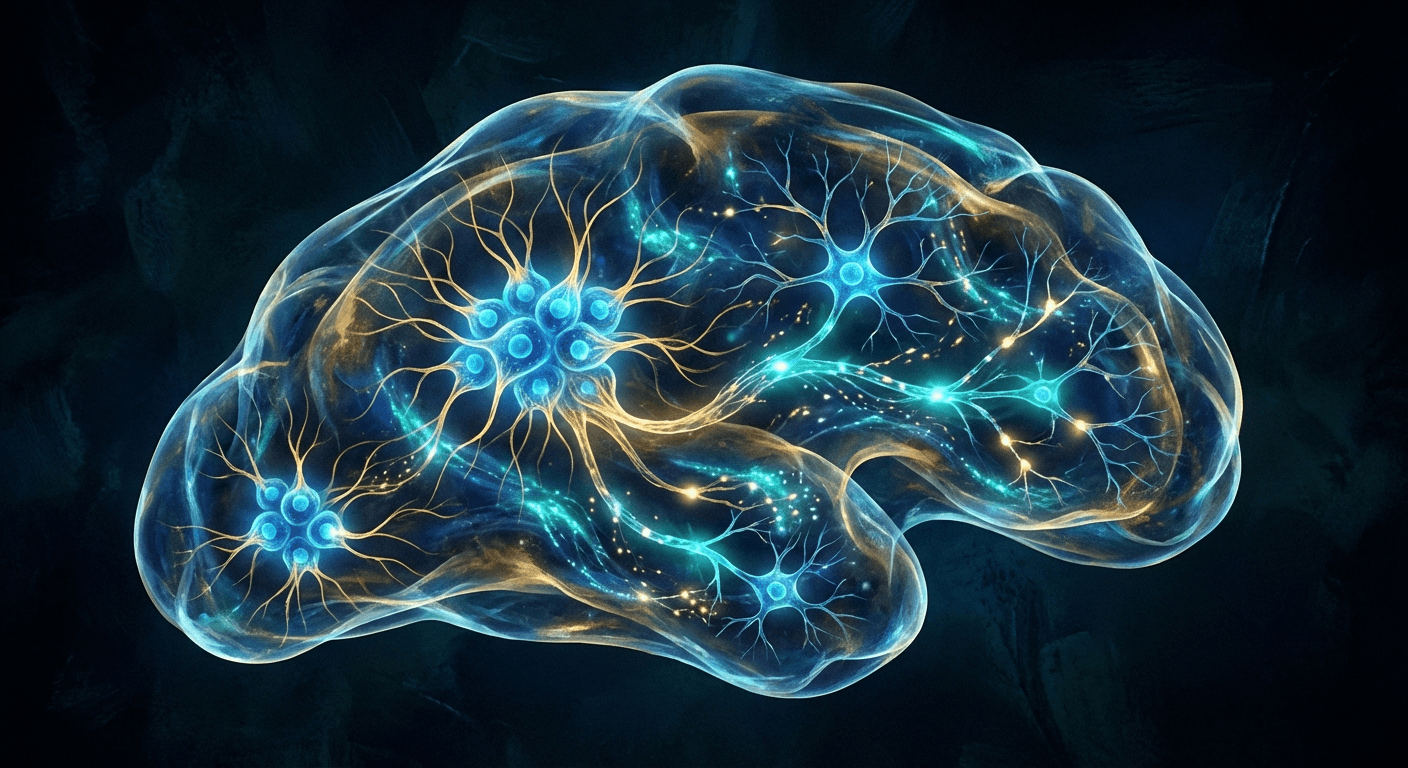
A human hippocampal study adds evidence on adult neurogenesis. I explain its limits and share the habits I use to support brain health.
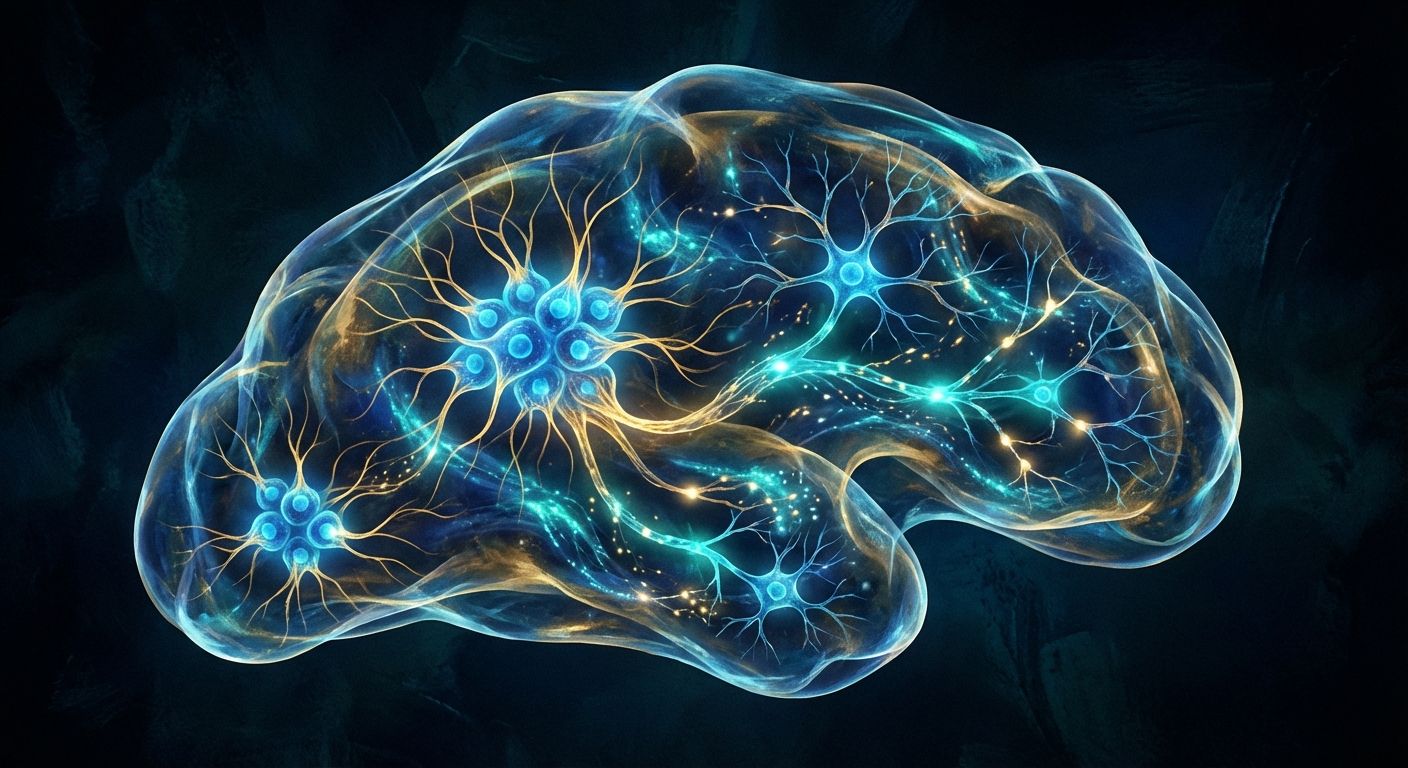
Hi there,
Some people over 80 have the memory of a 50-year-old.
A February 2026 post-mortem study found distinct immature-neuron and gene-regulation profiles in people with unusually strong memory. It did not measure how fast they grew new neurons while alive.
The researchers found differences in chromatin accessibility. That doesn’t rule out genetics or show that a lifestyle change can reproduce the profile.
In this issue: What the new hippocampal study found; how I approach brain health; and this week’s research Quick Hits.
For most of the twentieth century, neuroscience had a hard rule. You're born with all the brain cells you'll ever have. After that, it's a slow decline. Textbooks printed it. Professors taught it.
Then the cracks started showing.
Eriksson’s team reported evidence of new adult human neurons in 1998. Spalding’s group later used carbon dating to estimate hippocampal neuron turnover. These methods support ongoing research; they do not count new neurons in a living person day by day.
But the field couldn't agree. A 2018 Nature paper said neurogenesis stops at age 13. One month later, a Cell Stem Cell paper said it continues for life. Same-tier journals. Opposite conclusions.
Differences in tissue handling, markers, cell classification, and analysis can all affect the results. It was not simply one protein degrading after death.
A Nature paper published on February 25, 2026 added strong molecular evidence. It did not end every question about the extent or function of adult human neurogenesis.
What the molecular study adds
Ahmed Disouky and colleagues used molecular sequencing to study the hippocampus.
The team analyzed 355,997 nuclei from thirty-eight post-mortem hippocampi using single-nucleus RNA sequencing and chromatin-accessibility profiling.
Five groups:
Young adults
Healthy older adults
Super agers
People with preclinical Alzheimer's
Diagnosed Alzheimer's patients.
RNA profiles help classify cells; chromatin profiles show which DNA regions are accessible. They provide more information than one staining marker, but still require inference and validation.
The study identified signatures of neural stem cells, neuroblasts, and immature neurons across groups. That supports ongoing neurogenesis in the adult hippocampus; the rate and its role in cognition still need study.
SuperAgers had a distinct profile
Super agers are people over 80 whose memory performs like someone 30 years younger. Northwestern's SuperAging Program has been studying them for over a decade: thicker cortices, more von Economo neurons (specialized cells for social cognition), larger neurons in the entorhinal cortex. Some have amyloid plaques in their brains and show zero cognitive decline.
Some SuperAgers remain cognitively resilient despite pathology. That doesn’t establish which cellular process preserves their memory.
Disouky's team found:
The SuperAger samples showed a distinct profile in immature neurons and regulatory signals. Differences in the cells present at death do not directly measure the rate of new-cell production.
Chromatin differences may help explain the profile. “Epigenetic” does not mean we already know how to change it safely, or that inherited biology has no role.
It starts earlier than we thought
The researchers detected epigenetic dysregulation of neurogenesis in people with preclinical Alzheimer's. People who had amyloid pathology in their brains but zero symptoms. No cognitive complaints at all.
Those early molecular differences are possible clues to disease biology.
The study did not test an intervention or identify a treatment window. That remains a research question.
How I approach brain health
As a physician and founder, I want to protect my cognitive function. So do many of my patients. Some of the habits below have human clinical evidence; claims about how they grow neurons often come from animals or cells.
Move your body
A 2011 randomized trial found that a year of aerobic exercise increased hippocampal volume by about two percent on average in older adults. Volume is not a direct count of new neurons. Research on muscle–brain signaling explores possible mechanisms, often in experimental models.
Regular activity is useful even when we cannot measure whether a person’s hippocampus grows.
My version: zone 2 for me is walking on an incline. For higher intensity, I rotate between the Norwegian 4x4 protocol (four intervals of four minutes at near-max effort, three minutes recovery) and REHIT (reduced exertion high-intensity training). REHIT sessions are absurdly short. Two 20-second all-out sprints in a 10-minute workout, and the VO2max data is surprisingly solid. I don't need to love cardio. I just need to do it.
Learn something that makes you uncomfortable.
Animal research suggests learning affects how some new neurons survive and join circuits. It doesn’t show that Sudoku has no value or that a new language reliably increases neuron survival in people.
Cognitive-enrichment research supports studying novelty and challenge. Feeling uncomfortable is not a test that new neurons are forming.
I spend hours every day reading longevity science, getting up to speed on AI tools that didn't exist six days ago, and building a company from scratch. If you've ever tried to learn an entirely new field while simultaneously running a startup in it, you know the feeling. There is no shortage of discomfort.
So whether it’s taking a new class or traveling to new environs, try something new that makes you just a little uncomfortable.
Protect your sleep. (Message for you and for myself).
Experimental sleep-loss work found changes in hippocampal connections, and SIRT6 research examines possible mechanisms. These studies do not show that one short night kills new neurons in a human brain.
Related research: sleep-loss research.
Protect enough sleep for your needs and address persistent insomnia or sleep-disordered breathing. A nightly hour target is not a proven neuron-building schedule.
This is my biggest challenge, and has been all my life. I have fragile sleep. I wake up early, often hour 5 of sleep, and can't fall back asleep. I track with my Apple Watch and aim for 6.5+ hours, which tells you something about how far I am from the ideal. My setup:
Ear plugs
Blackout blinds
Air purifier for white noise
This pattern got noticeably worse after a bad bout of COVID a few years ago, and recovery from any infection takes me a while to bounce back from.
Your supplement stack might be sabotaging your sleep. Worth auditing if you're struggling:
If sleep is difficult, review caffeine, supplements, and timing with your clinician. Caffeine can last for hours, but its clearance varies. Claims that evening vitamin D suppresses melatonin or that creatine routinely worsens human sleep need stronger evidence; a Reddit report cannot establish either.
Don't be alone.
Animal isolation experiments and human loneliness research raise questions about stress and brain health. They don’t prove that time alone is neurotoxic or quantify human neuron loss.
Some SuperAgers report strong social networks. That is useful context, but it does not isolate connection as the cause of their memory.
I'm lucky here. I live and work with my partner (we both work from home, so we spend a lot of time together). I have a dinner group that gets together monthly. And I live in New York, the kind of city where someone is always eager to grab a drink, whether they live here or they're passing through. Social connection is the one intervention on this list I don't have to force myself to do.
Feed your brain like you mean it.
Diet and brain research and fasting experiments explore several mechanisms. Findings in cells or animals do not show that fasting or one nutrient grows new human neurons.
I eat a lot of seafood. And I eat blueberries like other people eat nuts, just constantly, because I love them. In this issue, I described taking three to four grams of EPA/DHA daily and fasting roughly twelve to sixteen hours most days. Those are my choices, not targets every reader should copy. Supplement dose, medicines, and heart-rhythm risk need individual review.
Heat, then freeze.
Experimental cold-exposure work suggests possible neural effects. It doesn’t establish cold-water immersion as a human neurogenesis treatment. Cold exposure has cardiovascular risks, especially for people with relevant heart conditions.
I use the sauna two to three times a week and finish with a “sno shower.” It never feels comfortable, but I feel incredible afterward.
The psychedelic question.
The mechanisms interest me, but they need to stay separate from clinical use.
Psilocybin: The cited mouse study found faster fear extinction at low doses and only a trend toward more new neurons; higher doses reduced neuron counts. Other experimental work examines plasticity. Neither establishes a neuron-growth treatment for healthy people.
DMT: Preclinical work examines neurogenesis-related effects. It doesn’t establish clinical efficacy or a safe routine for healthy users.
Ketamine and esketamine: Esketamine nasal spray has specific FDA-approved depression uses and monitoring requirements. It is a related, distinct medicine; ketamine is not broadly approved as a neuron-growth treatment. Mechanistic research does not change that distinction.
My past company Curio was a psychedelic-assisted therapy company, so I'm biased toward this field. I do use psychedelics, but rarely because I deeply believe in an intentional setting. I'm saving the full deep-dive on psychedelics and neurogenesis for a future issue. Watch this space.
Music and meditation.
I meditate for 10 minutes every morning. I try to do it before I open my laptop or look at my phone, which is harder than any other intervention on this list. Some mornings I sit with it. Most mornings I fight it the whole time.
A review of mindfulness MRI studies reported selected structural findings. Those studies do not show that my ten minutes of meditation grows new neurons.
I grew up playing violin and piano. I practice less now, but I still love finding new music. A 2025 review examines music-related plasticity; it does not prove that listening to a new band creates neurons.
When I wrote this in March 2026, I planned to see Foxy Shazam the following month. Their glam rock is far from the classical violin I grew up with. 🎸
What to keep: The study adds molecular evidence for adult hippocampal neurogenesis and differences in cognitive aging. It leaves open how fast new neurons form and whether any routine can reproduce the SuperAger profile. Genetics still matters. Exercise, sleep, learning, food, and connection remain useful health priorities.
If this changed how you think about brain health, forward it to someone who needs to hear it.
The bigger picture
The Disouky team detected early epigenetic changes in neurogenesis that were visible in preclinical Alzheimer's patients. People with zero symptoms. The chromatin was already closing in the wrong places before anyone knew something was happening.
Early differences may help researchers understand disease development. They don’t show that the routines above reverse those changes.
Our brains can change with experience. That is a sound reason to keep learning and moving; it is not proof that this study found a way to reverse cognitive decline.
I want brain-health advice that helps people function and live well, even when a cellular mechanism remains uncertain.
Keep learning,
Hillary Lin, MD
⚡ Longevity Quick Hits
🏋️ Exercise and amyloid in mice: Researchers studied exercise-related vesicles and amyloid changes in mice. This is not proof that exercise clears Alzheimer’s plaques in people.
😴 Sleep, movement, and food: The 59,078-person SPAN cohort modeled associations with life expectancy. Five more minutes of sleep and two more minutes of moderate-to-vigorous activity are not a guaranteed extra year of life.
🧠 Post-COVID cognition: A conference abstract examined later cognitive outcomes. An association does not establish a universal screening program after mild COVID.
🏥 Quest’s lab chatbot: Quest announced a tool to help patients read their lab history. An explanation tool does not replace interpretation in clinical context.
🧬 OMICmAge: A model informed by clinical and multiomics data predicted mortality-related measures in studied cohorts. Better performance on those benchmarks does not make it the best test for an individual or validate age-reversal treatment.
💰 PROSPR: ARPA-H’s program supports human healthspan research. Awards and study plans are not efficacy findings.
🥩 Heme and the gut: Mechanistic research explores how heme may contribute to gut chemistry. It doesn’t show that greens cancel the health risks of a particular meat intake in people.
💊 Hormone therapy: A large observational mortality study adds evidence. It doesn’t settle every formulation, timing, or patient’s risk-benefit decision.
💉 Oral GLP-1 research: A head-to-head study compared specific doses in a defined population. It doesn’t rank every oral obesity regimen.
🧬 Peptide access: Changes in nominations or advisory discussions are not automatic permission to compound. Check the current FDA record for the exact substance and use; an HHS announcement or clinic blog is not enough.
🧪 Metformin and the brain: A mechanistic comparison is not a trial showing metformin prevents Alzheimer’s disease better than semaglutide. Choose diabetes treatment on established clinical outcomes, not this ranking.
Related research: sleep, activity, and diet study.
Want to turn your wellness brand into a full-service health destination? Learn about Curator's platform or Get Started Here
Events listed when this issue was published
👱🏻♀️👩🏻🦰👩🏻👧🏽👧🏾 Livelong Women's Health Summit: April 17-18, 2026, SF, CA. Delighted to join 50 other thought leaders in speaking on women's longevity! (Code HILLARY50 for $50 off)
Offers listed in March 2026
This issue included an affiliate offer from NeuroAgeTx. I may earn a commission from qualifying purchases. Check current services and prices before buying.
This issue included a CoreViva whole-body MRI offer. A discount is not evidence of screening benefit; MRI screening has important limits. Check current terms.
This issue included a Timeline offer. A four-week urolithin A trial found changes in selected immune-cell measures, not proof of longer life or fewer infections. Check current offer terms.
GlycanAge reports an age estimate from IgG glycosylation. It doesn’t diagnose the cause of inflammation or establish a treatment.
I have liked ZBiotics products. That preference is not proof that they extend life or offset alcohol’s health risks. Check current offer terms.
The Longevity Letter
A weekly read on tests, treatment, and claims.
New issues look at what the evidence supports, what is premature, and what to skip.