The neuroscience of why Netflix binges trigger overeating, and what the research says about breaking the cycle.
The Longevity Letter
Longevity & Health Insights
Hi there,
It's been an absolutely packed few weeks—from speaking at biohacking panels and longevity events to hosting dinners with healthcare VCs and serving on research advisory boards. The conversations have been incredible, revealing the same hunger: people want the latest science translated into actionable strategies, not just theoretical breakthroughs.
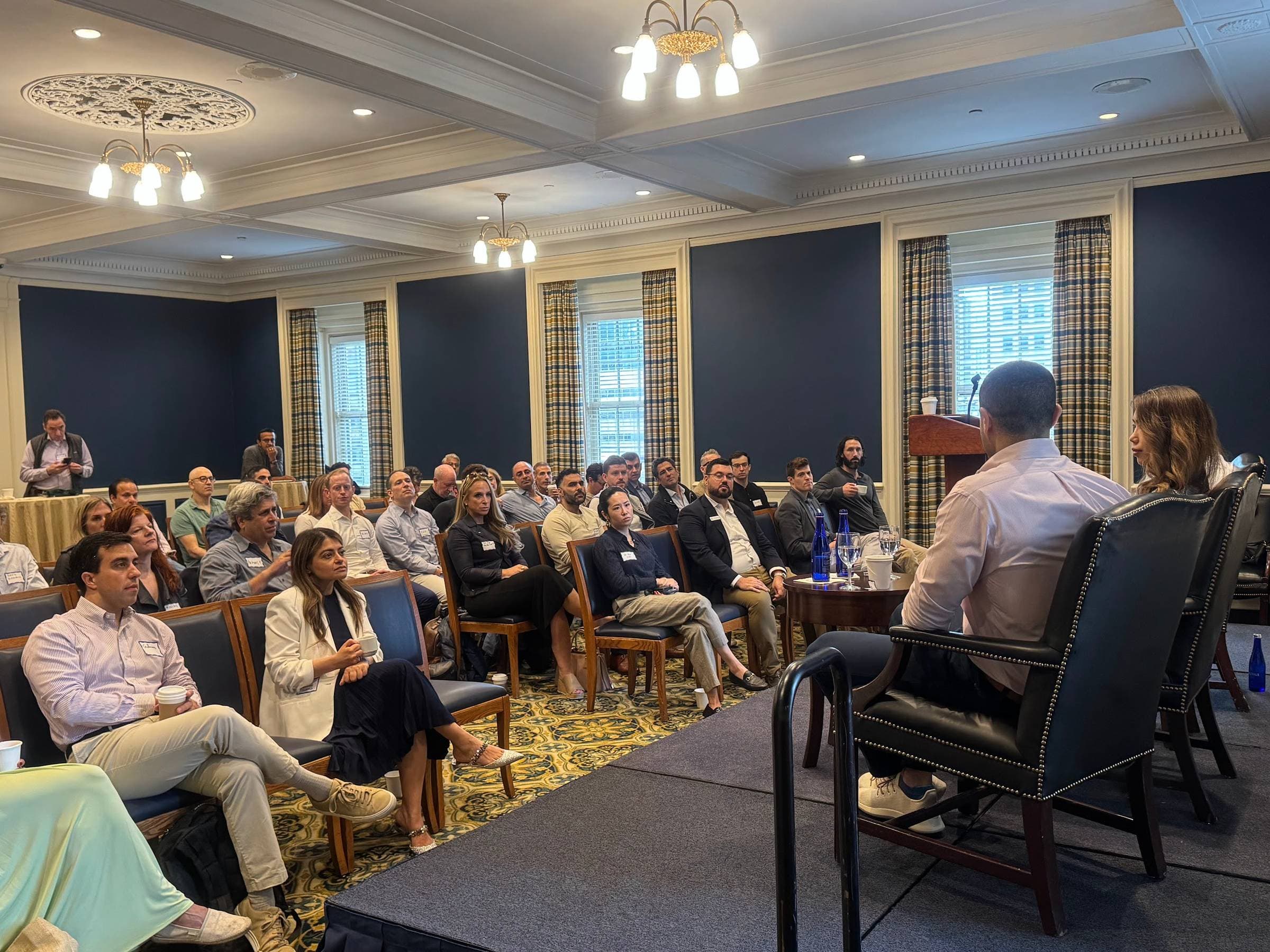
The first of seven longevity events I spoke at, organized, or advised in just the last three weeks—all without traveling away from NYC! Longevity is buzzing!
Speaking of breakthroughs, this week delivered some genuinely game-changing developments. Plus, I've got some truth bombs about why your Netflix dinner habit might be sabotaging your metabolism, and why teenagers everywhere are about to become very smug about their weekend sleep schedules.
Let's dive in.
How Netflix is literally glitching your brain to overeat
Scientists just discovered that your brain has been keeping detailed "meal memories" this whole time—like a neurological food Instagram, but actually useful. These specialized neurons in your ventral hippocampus are literally cataloging what and when you eat to help regulate future hunger signals.
Here's the plot twist: when you're distracted during meals (yes, I'm looking at you, binge-watchers), this system gets scrambled. Your brain essentially forgets to log the meal properly, leaving you vulnerable to overeating later. The fix is embarrassingly simple: put down the phone, turn off the screen, and actually pay attention to your food for 20 minutes. Your hippocampus will thank you, and so will your metabolism.
Scientists finally figured out why exercise makes your brain bulletproof
We've all heard "exercise is good for your brain" until our eyes glaze over, but new research just revealed another actual cellular mechanism. Turns out, exercise specifically rewires your microglia and creates a brand new type of astrocyte that acts like a bouncer for Alzheimer's disease.
The prescription? 150 minutes of moderate cardio plus 2 resistance sessions weekly. But here's what caught my attention: massive data from nearly 500,000 people confirms exercise sits in the top 5 modifiable factors for biological aging—right next to not smoking and actually sleeping enough. Apparently, your gym membership might be the best life insurance policy you never knew you had.
Subscribe or share our newsletter for longevity updates
Cancer just got caught red-handed three years early
Johns Hopkins researchers just demonstrated they can detect tumor DNA fragments up to three years before clinical diagnosis—essentially catching molecular signatures before cancer becomes a problem. That's still in research mode, but other multi-cancer early detection tests that aren't quite as early (they catch your cancer when it is already at least stage 1) are available right now.
Several options exist: GRAIL's Galleri (50+ cancers, $949), CancerSEEK/Thrive (different cancer focus), and others in development (all being evaluated for inclusion with Curator!). The reality: early-stage cancers have 90%+ survival rates versus dismal odds for late-stage disease. Rather than picking randomly, discuss with your doctor which test makes sense for your specific risk profile and family history—these aren't one-size-fits-all, and you probably don't need multiple tests.
The ocean's janitors are secretly cancer-fighting ninjas
University of Mississippi researchers discovered that sea cucumbers contain a sugar compound that blocks the Sulf-2 enzyme cancer cells use to spread. The compound specifically targets how cancer cells modify their surfaces to metastasize. Researchers confirmed this with both computer modeling and lab testing. But the problem is, you can't harvest enough sea cucumbers to create a medicine.
The solution? Synthesize and amplify it artificially—just like we did with GLP-1 agonists, turning a natural gut hormone into blockbuster drugs like Ozempic. We're years from human trials, but the playbook for magnifying nature's compounds into powerful therapeutics has already been outlined.
🫒Plot twist: your "healthy" olive oil might be recruiting fat cells
In today's "nothing is sacred" news, researchers just discovered that oleic acid—the star fatty acid in olive oil—might be secretly building an army of fat cells in your body. Unlike other fats (included in this study were fatty acids from common oils like coconut oil, peanut oil, lard, and more), oleic acid specifically boosts the proteins that create more fat cell "soldiers," setting up your body to store excess calories more efficiently.
Despite this surprising news, we have endless studies showing that olive oil still the best of a list of imperfect options. The issue isn't olive oil per se, but potentially the increasingly unnatural levels of oleic acid in our food supply, especially in processed and fast foods.
So don't ban olive oil from your kitchen yet, but maybe skip those olive oil shots—it's about moderation and variety. Think of fats like a diverse investment portfolio rather than putting all your money in one stock, even if that stock has a good reputation.
The throughline here? We're witnessing the death of generic health advice. Your cancer risk, brain training, even how your fat cells respond to olive oil—it's all becoming Netflix-level personalized, except the recommendations might actually save your life.
This is why Curator exists: to bridge the gap between "fascinating science" and "what do I actually do about it?" Because knowing sea cucumbers fight cancer is cool, but knowing your personalized protocol is game-changing.
What's the one thing from this week that made you think "I should probably change that"? Hit reply—your stories shape what I dive into next.
Stay curious (and put the phone down during dinner),